About Peter
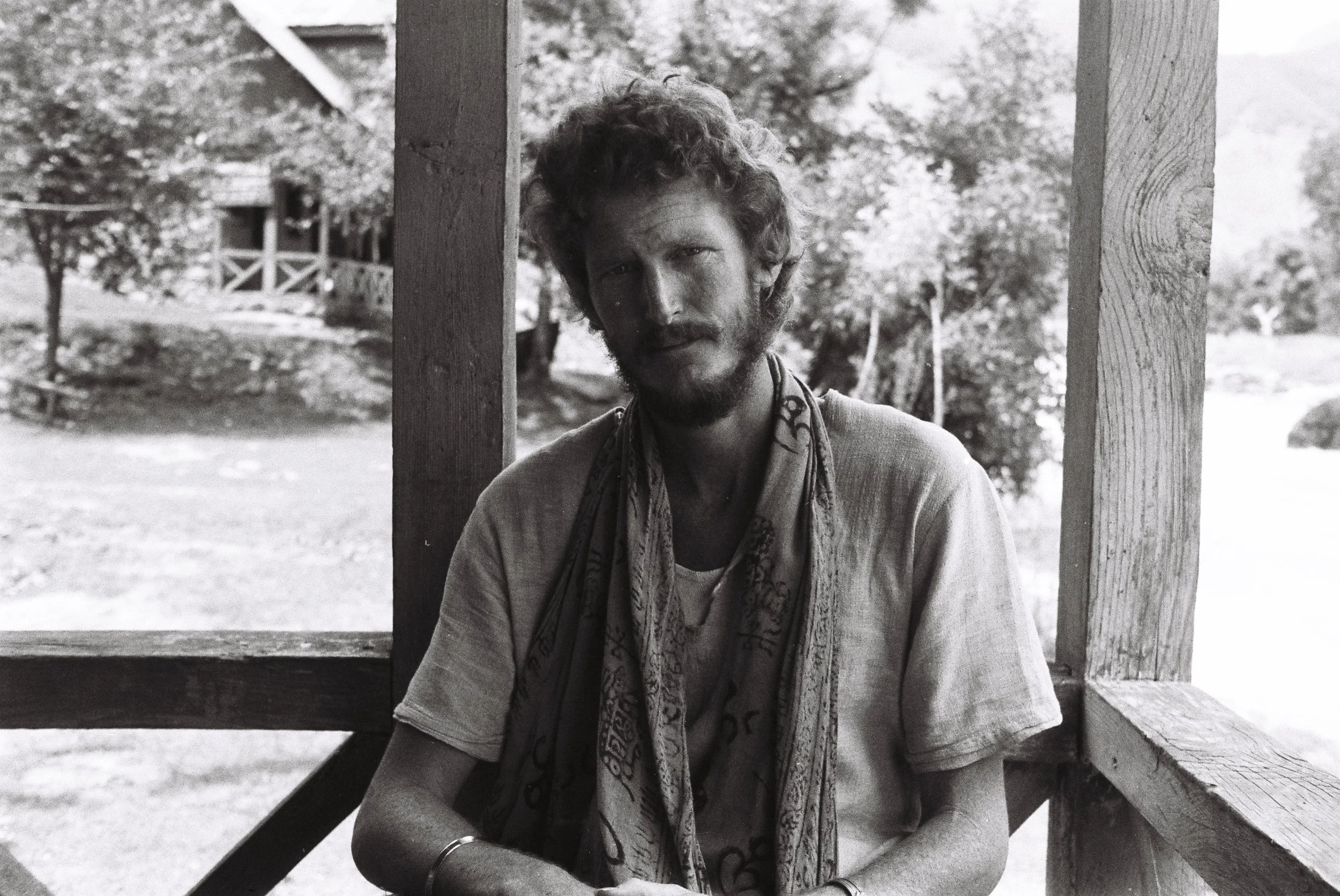
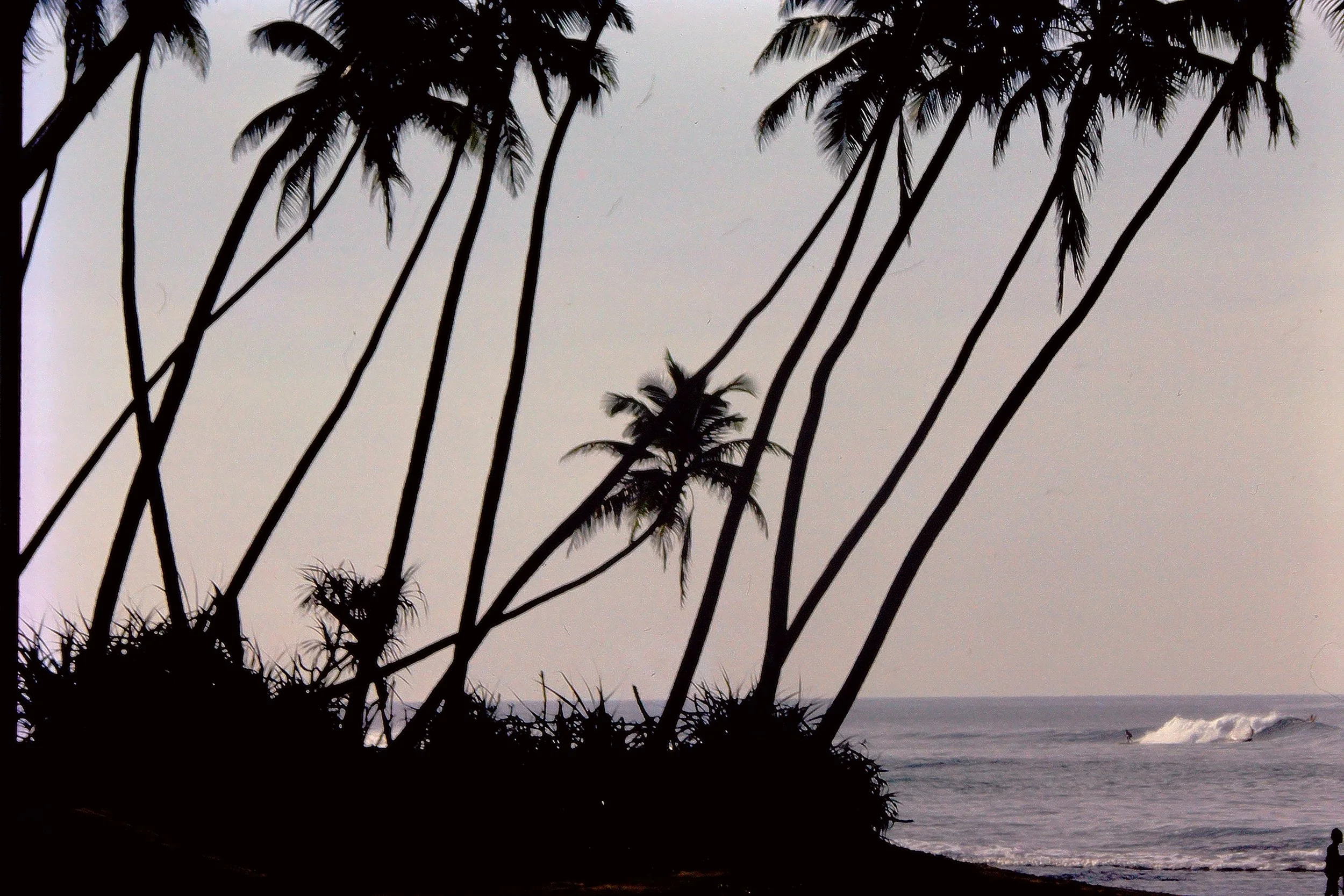
Peter Eglington in Kashmir, 1980
Thanks for visiting.
May my paintings inspire and nourish you.
— Peter
Peter Eglington (b. 1952, New South Wales, Australia) is a contemporary visionary artist whose complex, high-density mixed-media works explore the intersections of sacred geometry, indigenous cosmology, and environmental triage. Raised within the ancient volcanic topography of Mount Warning’s caldera, Eglington’s early life was deeply informed by the ecology of the Australian bush and the cultural traditions of the region's indigenous peoples. This foundational immersion in the natural world established a lifelong artistic inquiry into the symbiotic relationship between humanity and the biosphere.
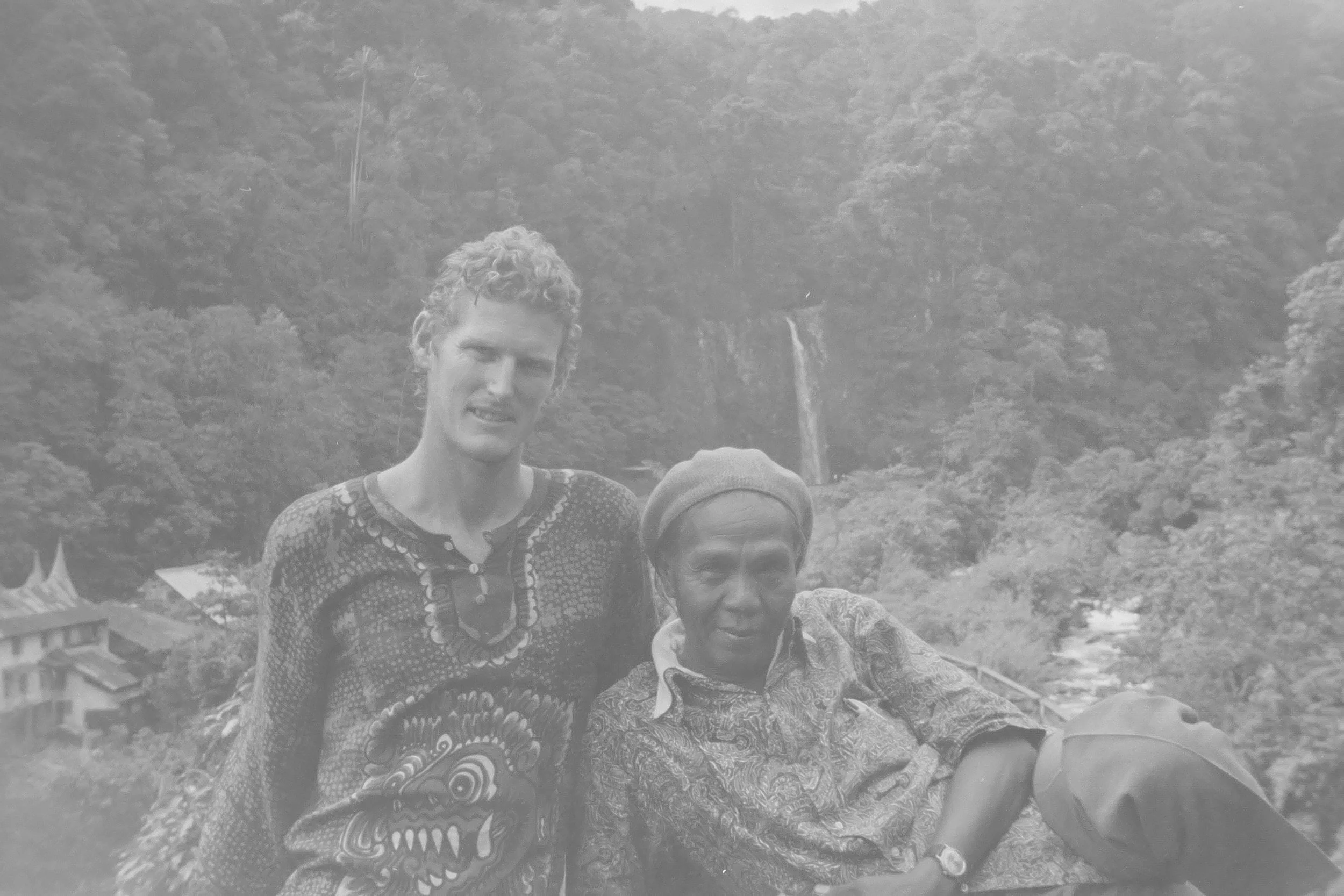
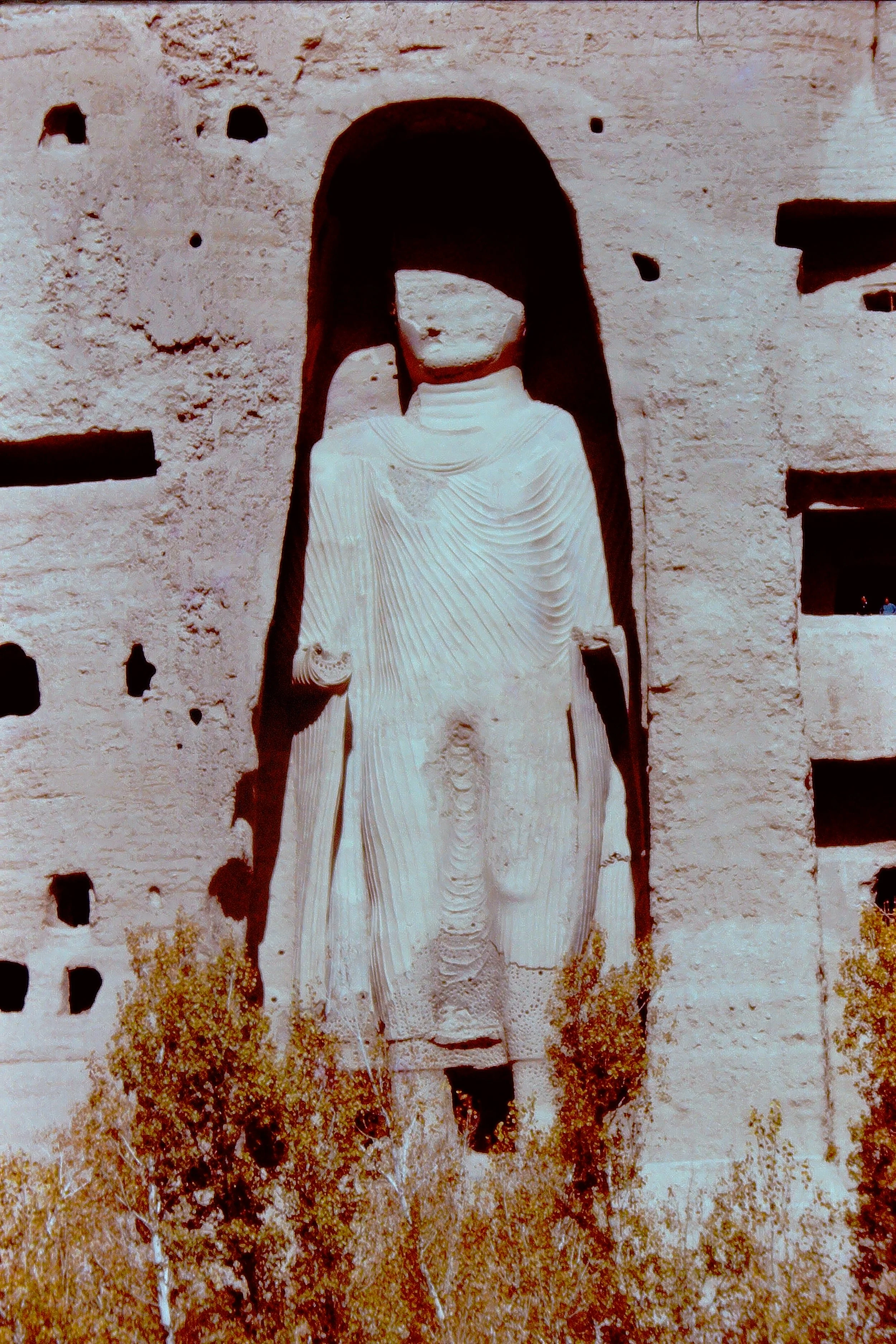
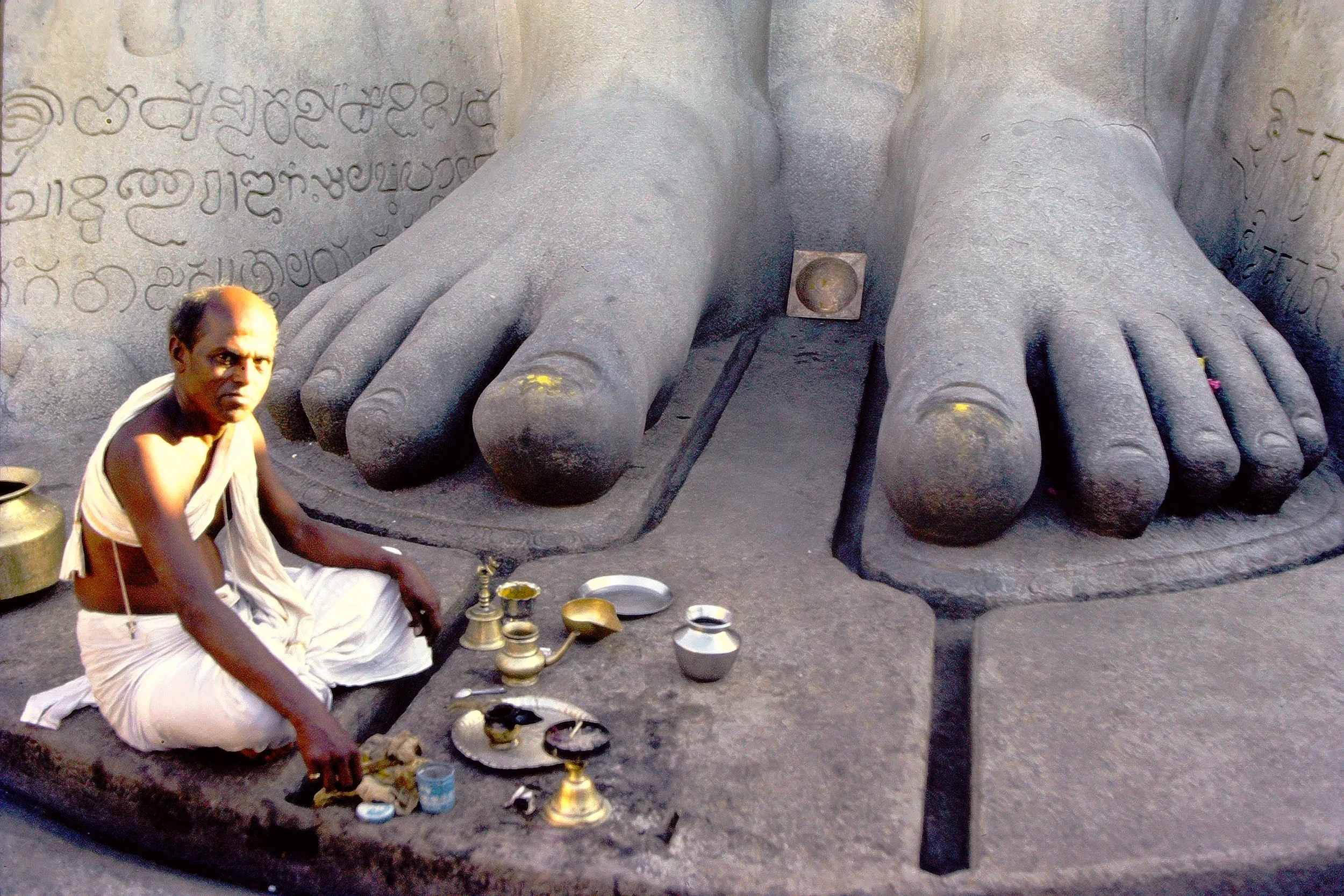
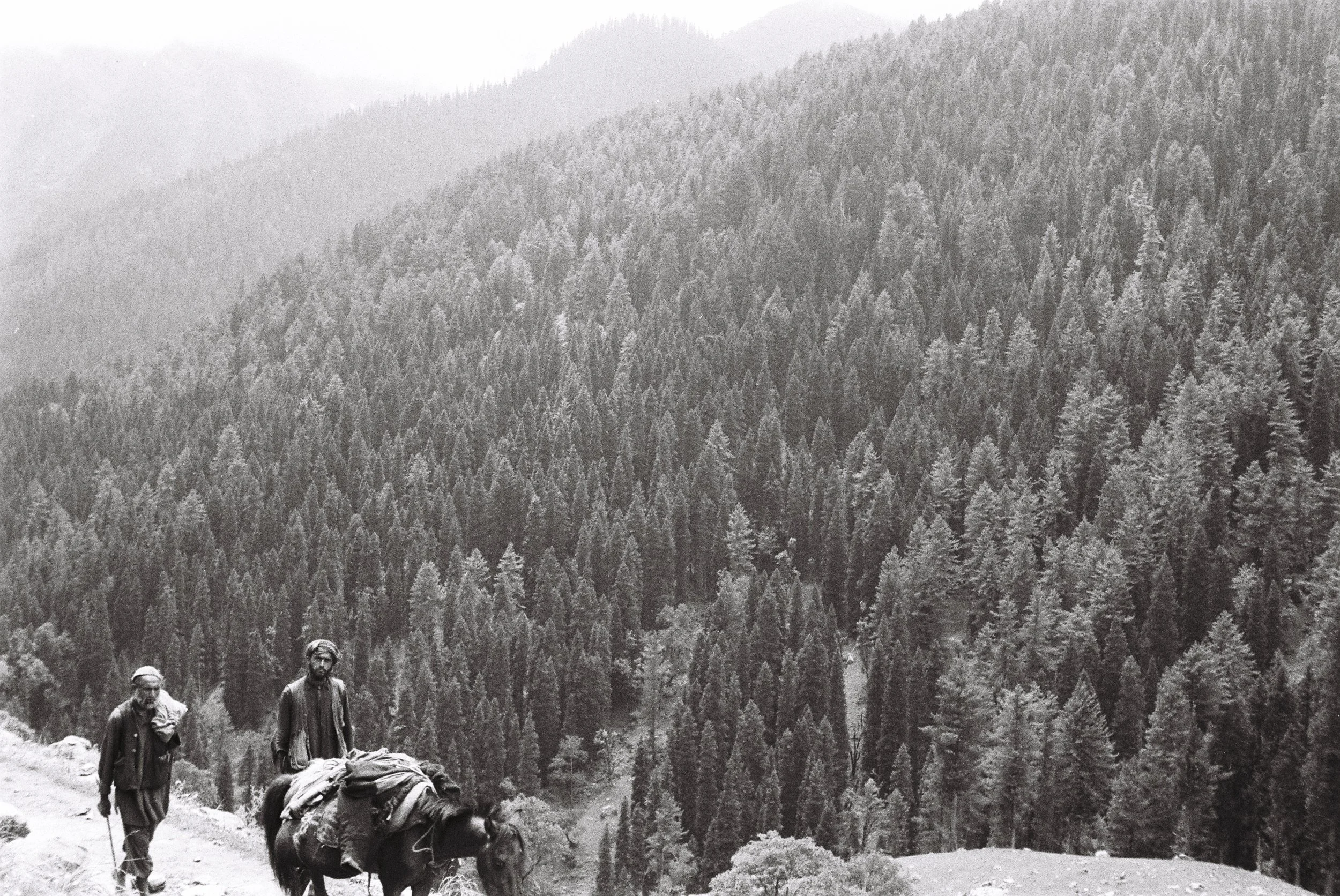
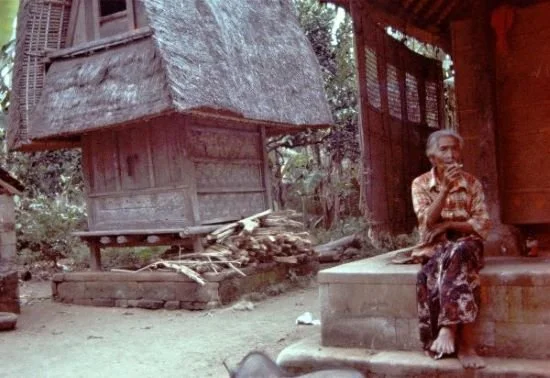
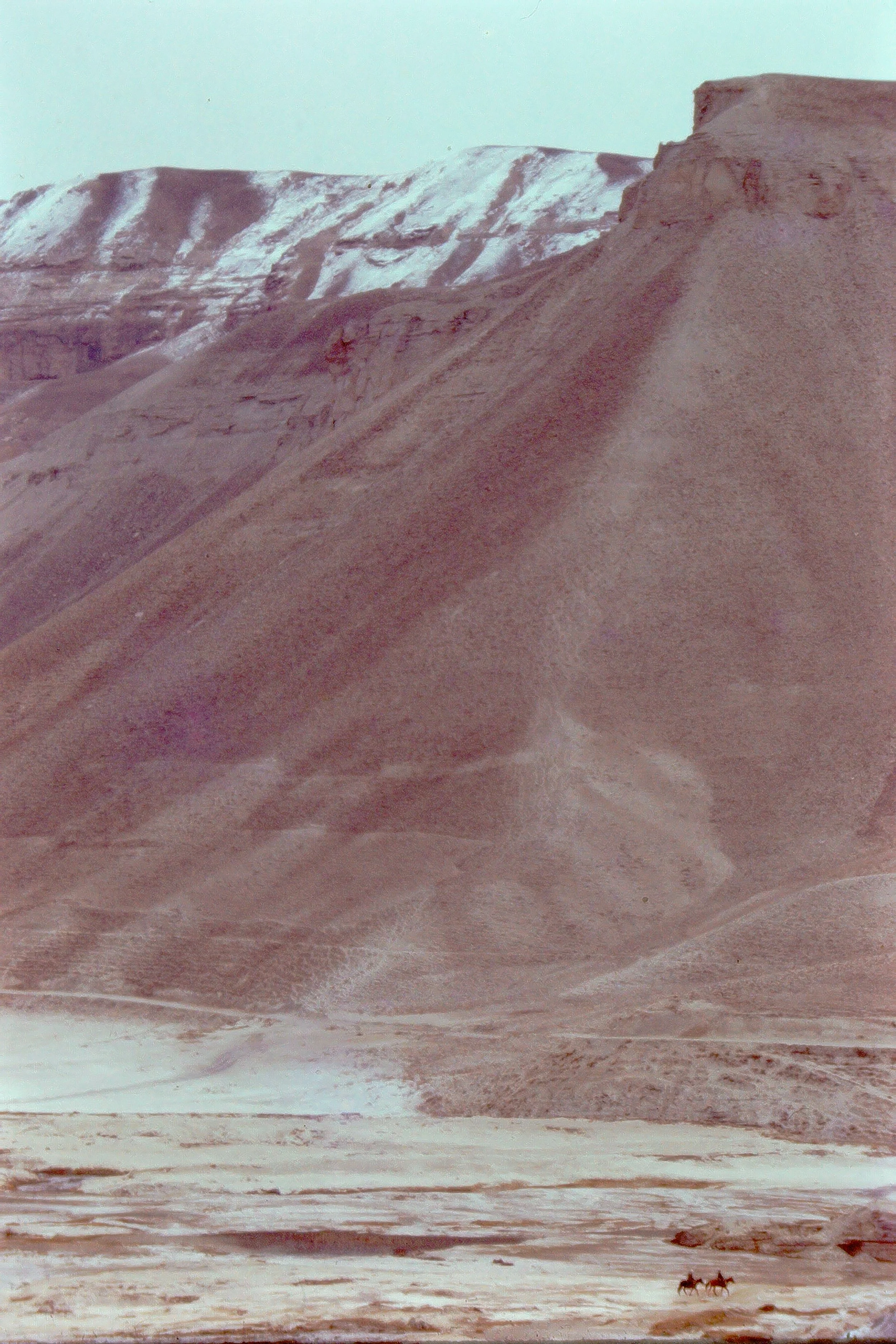
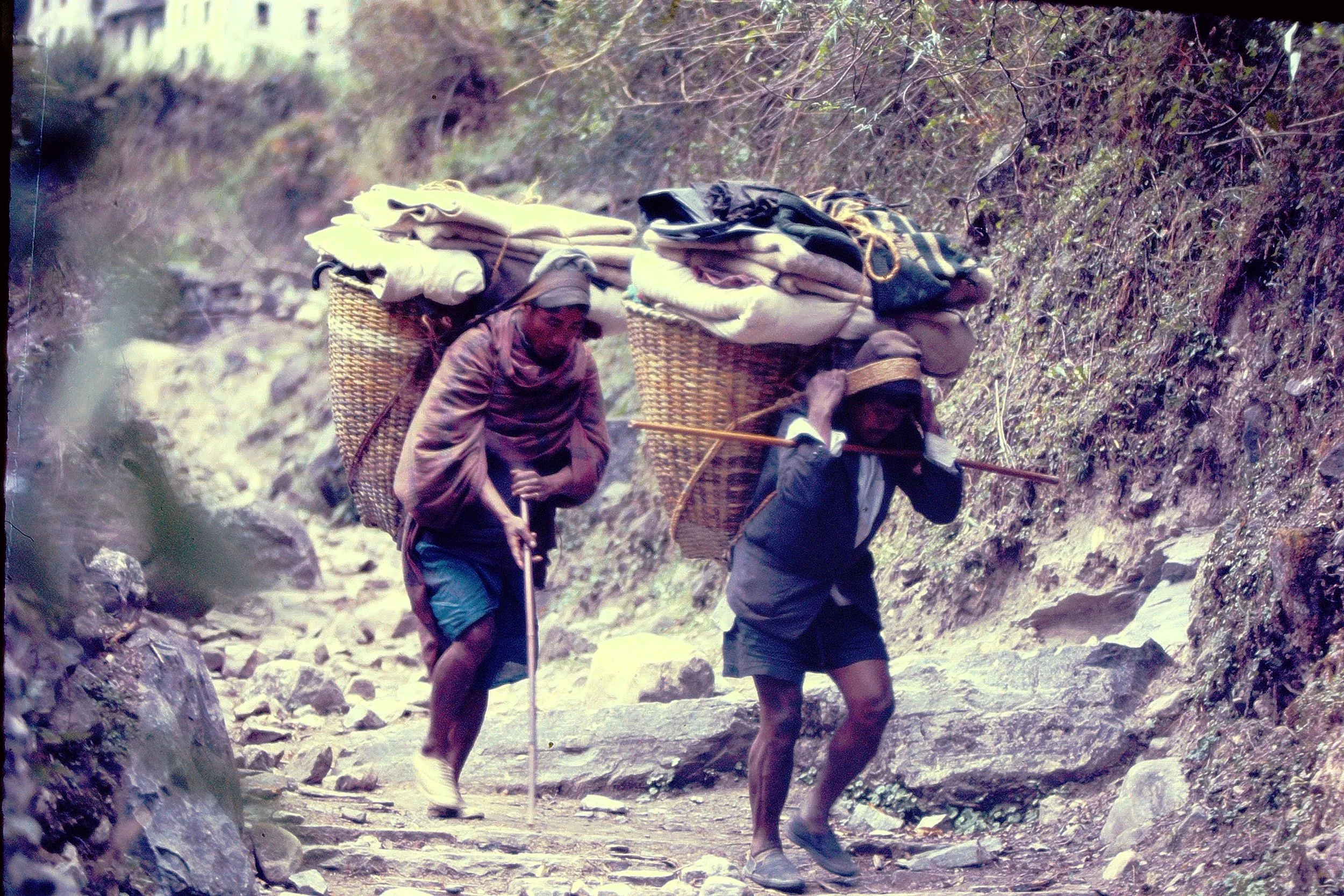
Coming of age during the countercultural shifts of the late 1960s and early 1970s, Eglington initially trained as a photographer for the Australian Broadcasting Corporation before embarking on a decades-long nomadic research period. Influenced by the radical graphic expansions of contemporary psychedelic art and album iconography—notably the work of Abdul Mati Klarwein—he spent the 1970s and early 1980s traveling extensively throughout Asia. He initially lived with a prominent Balinese Brahmin artist family before further exploring Java and Sumatra, as well as cultural complexes of other South East Asian nations, eventually continuing deeper research in the Indian subcontinent, including Sri Lanka, Nepal and Afghanistan, with considerable time spent in the Himalayas.
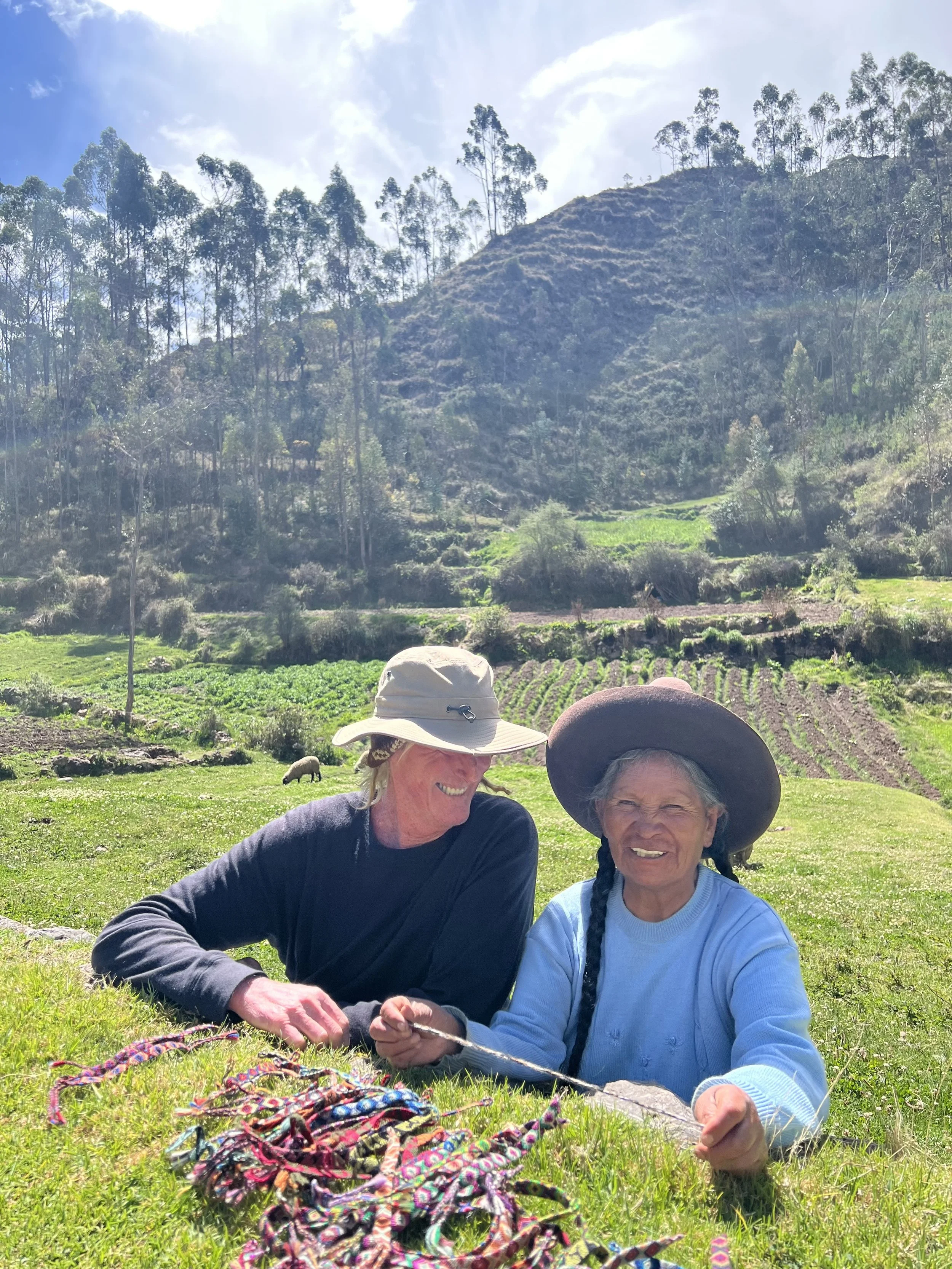
As the 21st century unfolded, Eglington found himself in the wilds of the Amazon basin as well as the Peruvian Andes. His prolonged studies in the Himalayas sparked an enduring fascination with the structural mathematics of the mandala, leading him to analyze the historical role of the artist as an anthropological conduit for community health and cosmic order.

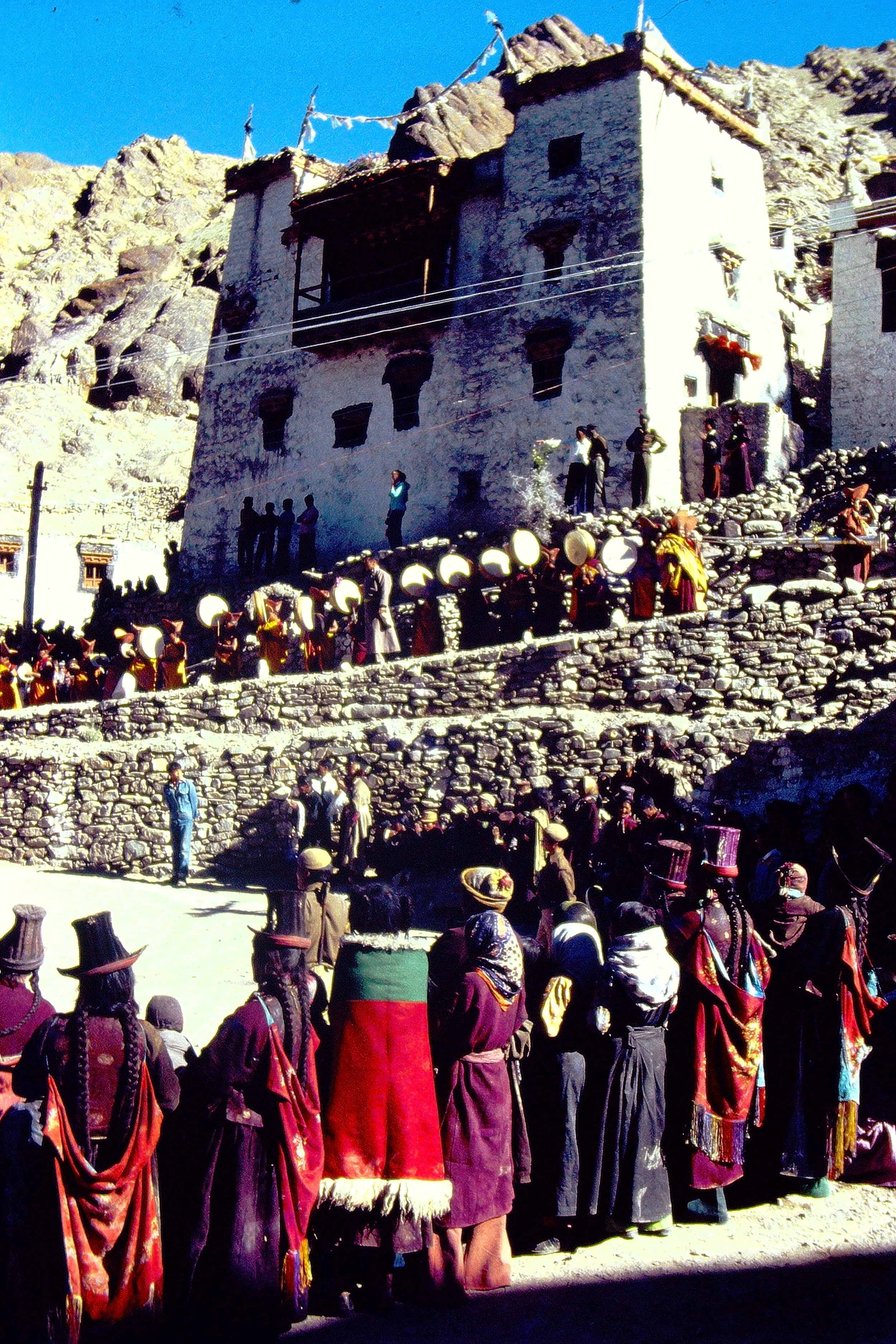
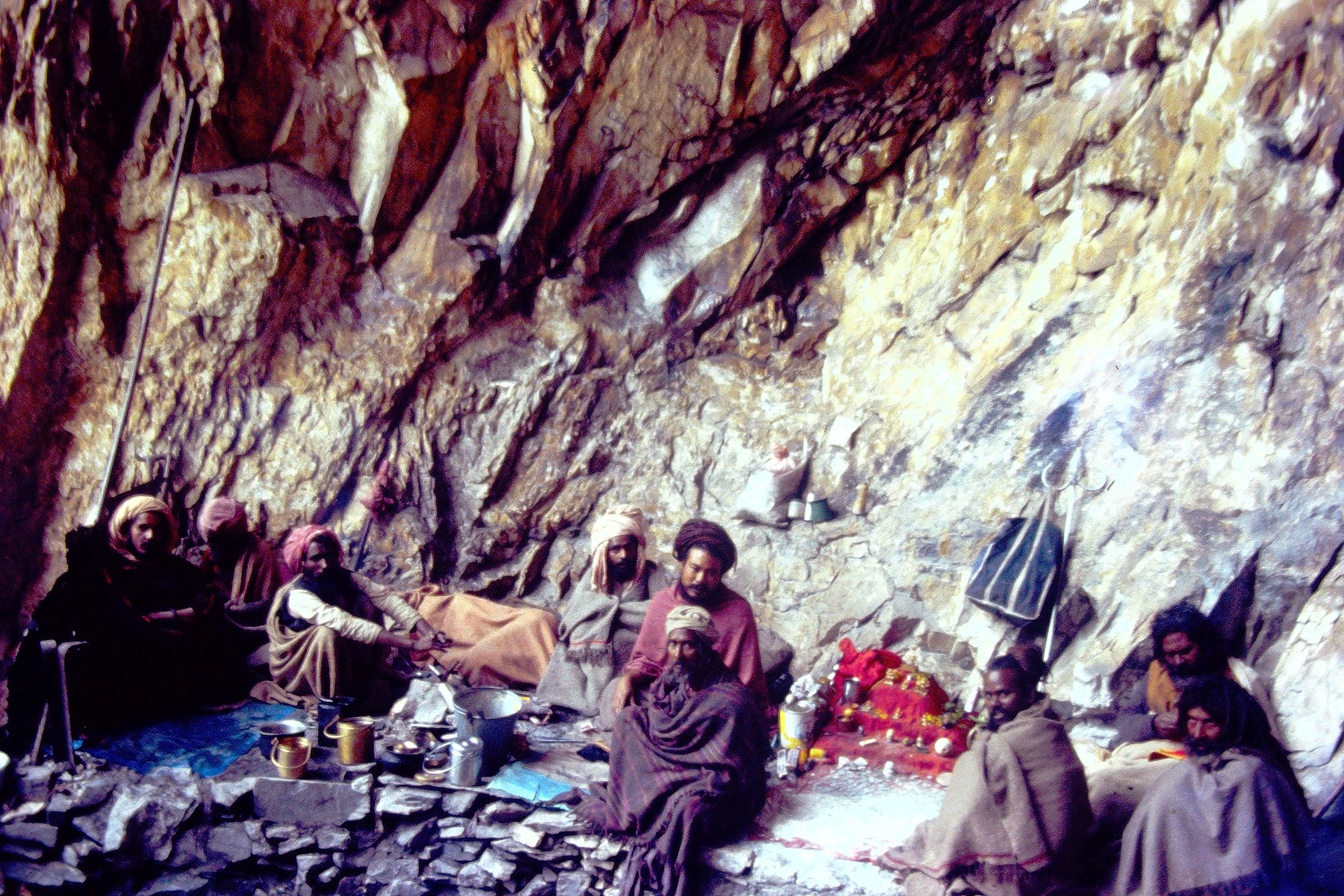
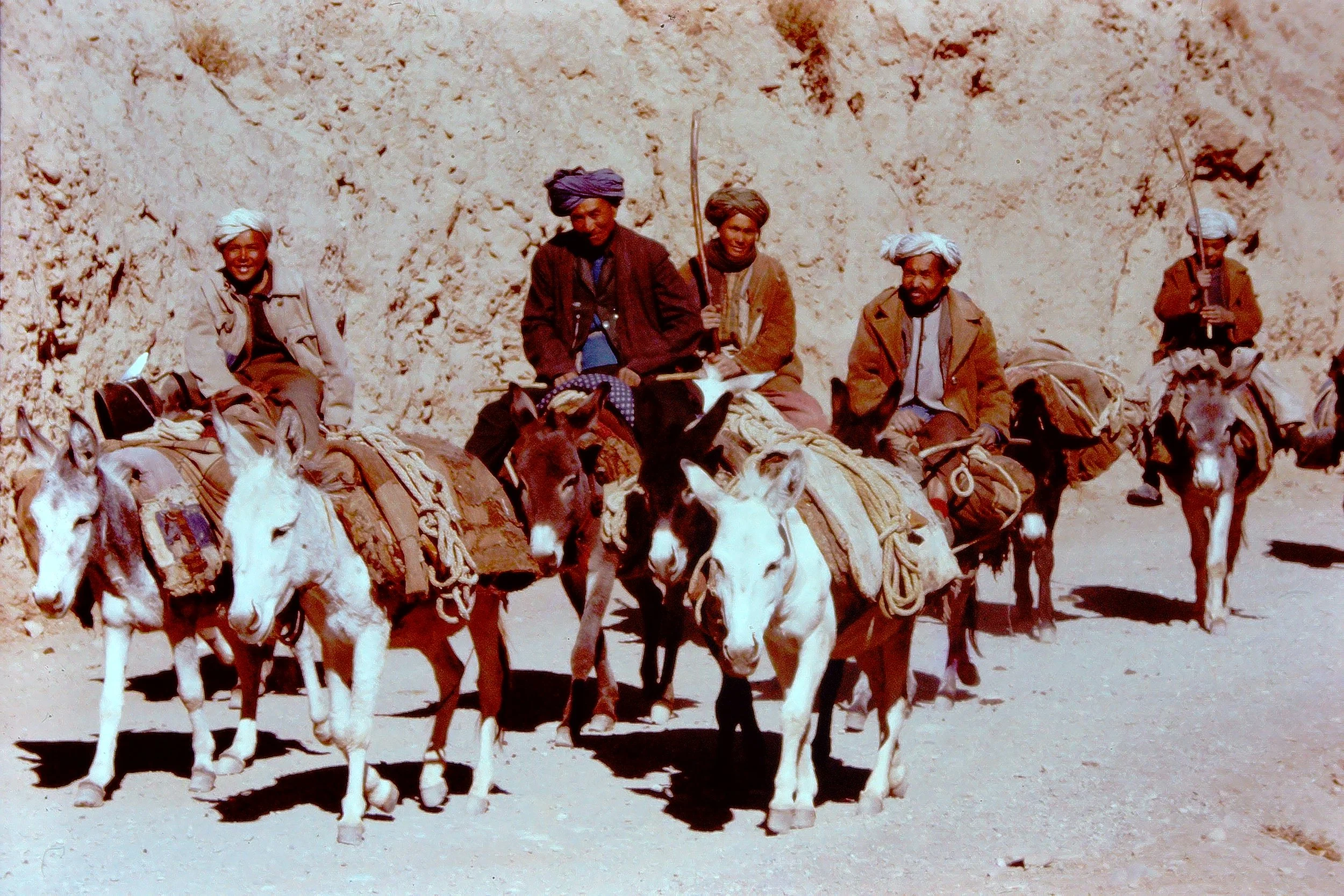



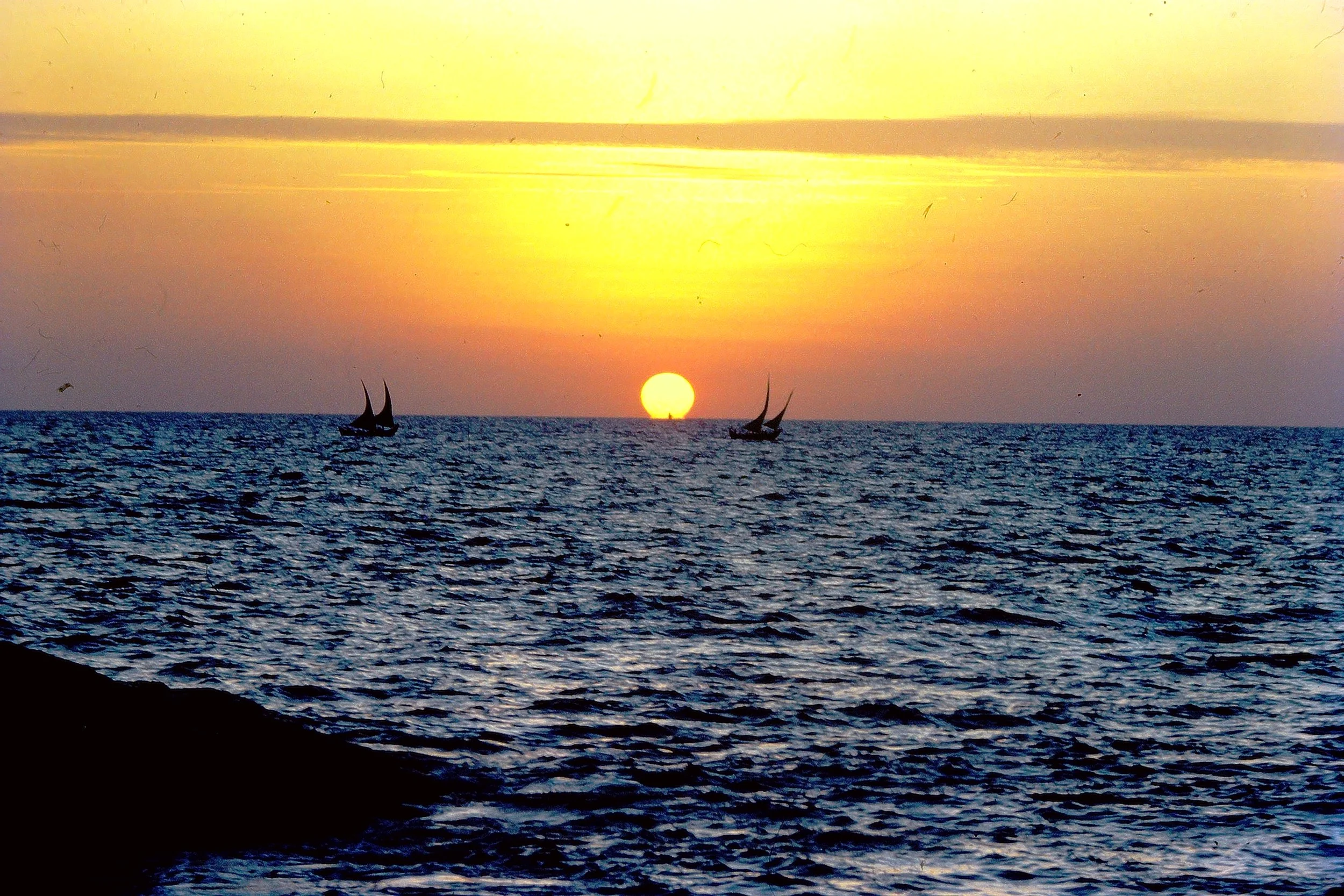



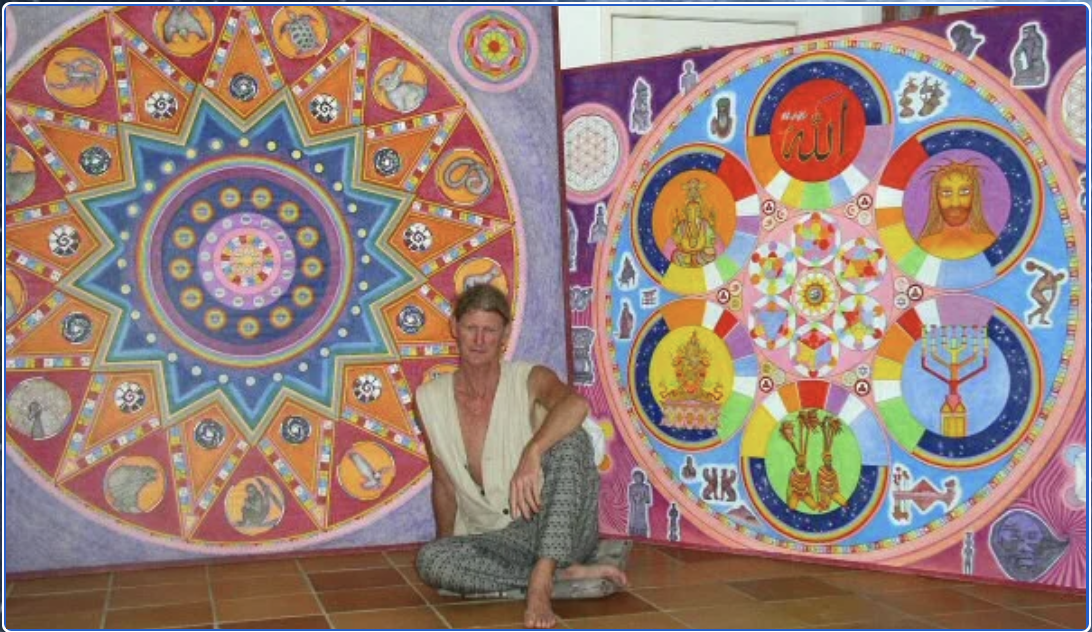
Eglington’s practice is defined by an exacting, highly laborious technique that demands hundreds of hours of execution per canvas. He combines oil- and wax-based colored pencils with fluid acrylic pens, layering these precise mediums over a complex structural framework of photography, archival ancient imagery, liturgical text, and sacred iconography. Operating from deeply internal, meditative states of sustained focus, Eglington transcribes complex visual arrays that bridge historical ethnobotanical wisdom with futuristic, galactic perspectives.
Conceptually, Eglington’s art functions as a critical defense of the planet's eco-warriors and a formal plea for the preservation of native ecological wisdom. His conceptual framework heavily dialogues with the research of ethnobotanist Luis Eduardo Luna—who famously documented the Amazonian iconographic visions of Pablo Amaringo—as well as the aesthetic theories of art historian Dr. José Argüelles.
Eglington’s work is held in private collections spanning the Southern Hemisphere, Europe, Africa, and North America.
Following a major United States museum debut at the American Visionary Art Museum (AVAM) in Baltimore during The Great Mystery Show (2017–2018), his work has been consistently selected for major institutional exhibitions, including The Secret Life of Earth (2020–2021) and Healing and the Art of Compassion (2021–2022).

Collectors worldwide are drawn to Eglington’s pieces because they transcend mere decoration—they serve as sophisticated, visual arguments for the preservation of native ecological wisdom.

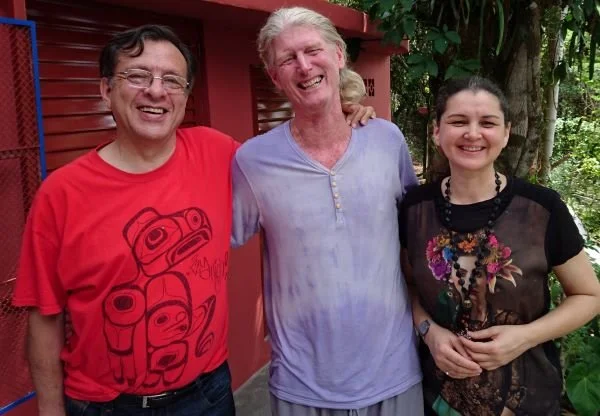
Wasiwaska Tribe, October 2016
May You always walk the Sacred Path with a Radiant Heart, with ever deepening Gratitude and ever increasing Awe for Your Life, with a Powerful Healing connection to the Sacred Teacher of All That Is.
Thanks again for your time …
Peter Eglington